HPLC Method for Analysis of Formic acid, Acetic Acid on Chromni Column by SIELC Technologies

High Performance Liquid Chromatography (HPLC) Method for Analysis of Formic acid, Acetic Acid.
Formic Acid is the simplest carboxylic acid with the chemical formula CH2O2. It is naturally found in insects, weeds, fruits, and vegetables. It is used by insects as a method of self-defense. In agriculture, it is used as a preservative and antibacterial agent. In chromatography, it is used as a volatile pH modifier. It is used significantly in the tanning of leather, dyeing and finishing of textiles, and production of rubber. You can find detailed UV spectra of Formic Acid and information about its various lambda maxima by visiting the following link.
Acetic Acid is a simple carboxylic acid with the formula CH3COOH. It’s an important chemical reagent and industrial chemical, primarily used in the production of cellulose acetate for photographic film and polyvinyl acetate for wood glue, as well as synthetic fibers and fabrics. It gives vinegar its sour taste and pungent smell. It is well known for being the active ingredient in vinegar, leading to the belief that it is the earliest mass produced acid, dating back to 3BC.
Formic acid, Acetic Acid can be retained and analyzed using the Chromni stationary phase column. The analysis utilizes an isocratic method with a simple mobile phase consisting of water and acetonitrile (MeCN). Detection is performed using UV.
Condition
| Column | Chromni, 4.6 x 150 mm, 3 µm, 100 A, dual ended |
| Mobile Phase | MeCN/H2O |
| Buffer | Sulfuric Acid |
| Flow Rate | 1.0 ml/min |
| Detection | UV 190 nm |
Description
| Class of Compounds | Acids |
| Analyzing Compounds | Formic acid, Acetic Acid |
Application Column
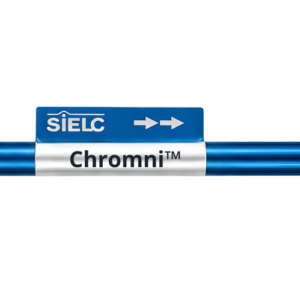
Chromni
Column Diameter: 4.6 mm
Column Length: 150 mm
Particle Size: 3 µm
Pore Size: 100 A
Column options: dual ended
Formic acid