HPLC Method for Phenylephrine hydrochloride, Phenylephrine, Norphenylephrine, Epinephrine on BIST B+ by SIELC Technologies

High Performance Liquid Chromatography (HPLC) Method for Analysis of Phenylephrine hydrochloride, Phenylephrine, Norphenylephrine, Epinephrine.
Epinephrine, also known as Adrenaline, is a hormone with the chemical formula C9H13NO3. Exercise is one of the main stimulants of epinephrine, but it is epinephrine which has an effect on contributing to stronger emotions and enhancing long-term memory. As a hormone, it is involved in regulating involuntary operations of nearly all internal organs. As a medication, it is used to treat allergic reaction anaphylaxis and cardiac arrest. When other treatments are not effective, it is occasionally used to treat asthma. The name, adrenaline, comes adrenal glands, from which it was extracted and purified. You can find detailed UV spectra of Epinephrine and information about its various lambda maxima by visiting the following link.
Norepinephrine, also known as noradrenaline and noradrenalin, is a catecholamine with the chemical formula C8H11NO3. It functions as a hormone, neurotransmitter, and neuromodulator responsible for improving alertness, focus, memory, and regulating mood. You can find detailed UV spectra of Norepinephrine and information about its various lambda maxima by visiting the following link.
Phenylephrine is a common over-the-counter decongestant, but can also be used for pupil dilation and hemorrhoid treatment. It’s chemical formula is C9H13NO2. It is sold under many brand names including Mucinex, Sudafed PE, Sinex, and many other generic brands. While it is best known as a decongestant, it has a wide variety of other pharmaceutical applications, including pupil dilation, hypotension (low blood pressure) treatment, and hemorrhoid relief.
Using SIELC’s newly introduced BIST™ method, these three similar neurotransmitters, which protonate in water, can be retained on a positively-charged anion-exchange BIST™ B+ column. There are two keys to this retention method: 1) a multi-charged, negative buffer, such as Sulfuric acid (H2SO4), which acts as a bridge, linking the positively-charged amine analytes to the positively-charged column surface and 2) a mobile phase consisting mostly of organic solvent to minimize the formation of a solvation layer around the charged analytes. Using this new and unique analysis method, Epinephrine, norepinephrine, and phenylephrine can be retained and UV detected at 200 nm.
| Column | BIST B+ |
| Mobile Phase | MeCN -80% |
| Buffer | H2SO4 – 0.2% |
| Flow Rate | 1.0 ml/min |
| Detection | UV 200 nm |
| Class of Compounds |
Drug, Neurotransmitter, Catecholamine |
| Analyzing Compounds | Phenylephrine hydrochloride, Phenylephrine, Norphenylephrine, Epinephrine |
Application Column
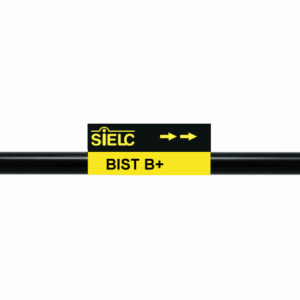
BIST B+
Column Diameter: 4.6 mm
Column Length: 150 mm
Particle Size: 5 µm
Pore Size: 100 A
Column options: dual ended
Norphenylephrine
Phenylephrine
Phenylephrine hydrochloride